
News
Solar Development 101 and How Developers Approach Solar Grazing Projects
Solar grazing requires strong partnerships and communication with solar developers, and both parties should work together to learn about the background of each other’s industry. How does the solar development process work? What does a solar developer think about solar grazing?
During this workshop we heard from Samantha Sawmiller, Director of Development at Open Road Renewables. Samantha provided an excellent overview of how a solar site is developed, what parties are involved, and the steps and timeline associated with a project. She also talked about what considerations there are when making the decision to start solar grazing instead of conventional mechanical vegetation management.
This was part 1 of our new spring event series, “Getting Started in Solar Grazing”, which will cover key topics for people jumping into solar grazing for the first time.
Samantha began her discussion by sharing why developers should consider solar grazing. Solar grazing represents a significant opportunity for sheep producers while providing essential vegetation management for solar developers. It is a cost-effective management solution providing minimal site disruption, a reduced fire risk, and soil health benefits. Integrating solar grazing also has public relations value and allows for community participation.
Next, Samantha provided an excellent overview of what is involved with solar development. She covered key topics related to project scales and development timeline, including the construction period and operational lifespan. She also highlighted key components of solar sites, such as racking systems, collection lines, inverters, and fencing.
Samantha then shared key players of solar development. The solar industry involves multiple entities with different roles in project development. Examples of these players include greenfield developers, independent power producers (IPPs), engineering, procurement, & construction (EPC) Companies, O&M providers, subcontractors, and vegetation management contractors.
In addition to sharing key players on the solar development side, Samantha shared where solar graziers fit in the process. Graziers can engage with solar projects at different stages, with earlier involvement providing greater benefits. She shared different ways to get involved during the development, pre/post-construction, regulatory process, and contract transition phases.
Samantha then shared options for how to approach solar developers. The first step is to research developers and connect with industry associations. Graziers should also attend public information meetings and networking events. When connecting with solar developers, graziers can improve their chances by providing documentation of past experiences, offering comprehensive services, and having a strong local presence.
When to engage in the process was another key topic of Samantha’s presentation. Timing is critical when pursuing solar grazing opportunities, and the earlier a grazier can engage the better. Earlier planning also provides an opportunity for developing a scaling strategy and planning financially.
Samantha ended her presentation by discussing business considerations for solar graziers. Key factors to consider include: insurance requirements, infrastructure needs, contract security, payment terms, and comprehensive management.
Members can access the recording of Samantha’s presentation here.
Not a member? Join our network here.
Thank you to our sponsor!

Range Ward is proud to support the American Solar Grazing Association as a sponsor. We specialize in portable, solar-powered electric fencing solutions with machines specifically developed for sheep and goats and perfect for solar grazing operations. In addition to our solar-powered electric units, we offer a full line of equipment for all livestock and a wide selection of fencing supplies to meet your operation’s needs. Whether you’re managing a small flock or a multi-species herd, Range Ward is here to help you fence smarter, not harder.
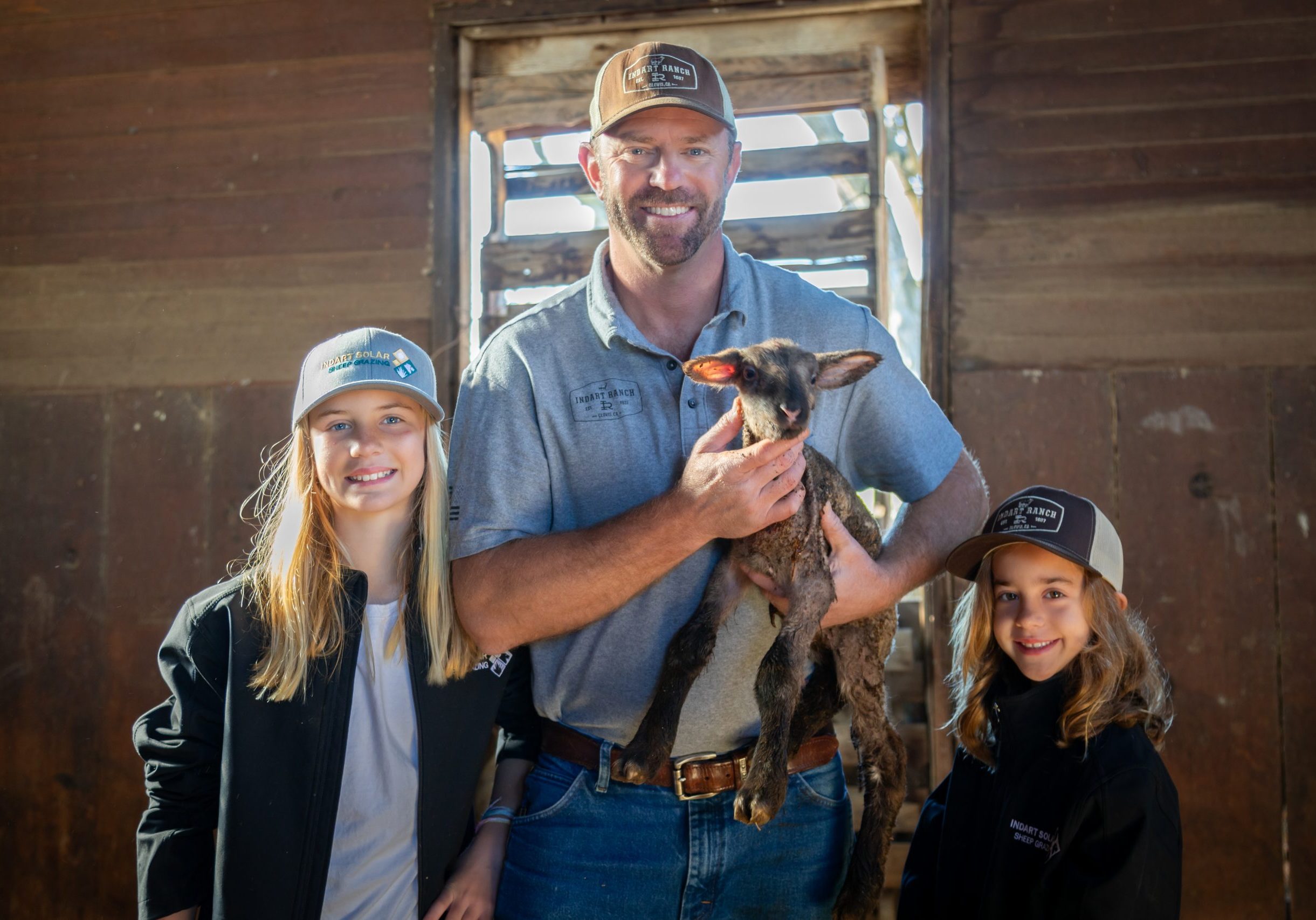

[…] This was part 2 of our spring event series, “Getting Started in Solar Grazing”, which covered key topics for people jumping into solar grazing for the first time. Check out part 1, “Solar Development 101 and How Developers Approach Solar Grazing Projects.” […]