
News
“Cattlevoltaics”: Solar Cattle Grazing Update (ASGA Call 90)
For this month’s call, we heard from Kelsey Singleton (H2 Enterprises), Jess Gray (Gray’s LAMBscaping), and James McKinion (Helical Solar). Kelsey discussed the work H2 Enterprises has been doing to integrate cattle on three different solar sites with various panel configurations, demonstrating feasibility with minimal site modifications. Jess covered selecting the ideal “inverter cattle” breed, a composite breed combining Dexter, Belted Galloway, Pineywoods, and American Milking Devon genetics for optimal solar site performance. We also heard an update from James on the new tracker designs coming out from Helical Solar that are providing both energy generation and a reduction in heat stress.
Our speakers covered the benefits for the agricultural and energy sectors seen from solar cattle grazing. These include a dual revenue stream, reduced vegetation management costs, improved soil health, welfare benefits for cattle, and addressing community concerns about land use by maintaining productive farming.
While cattlevoltaics is still in its early stages, progress is being made to determine successful management strategies for cattle on solar. Virtual fencing using GPS-based collar systems may be beneficial for controlling cattle movement without physical barriers. Jess discussed the work of Gray’s Lambscaping to carefully select cattle to prioritize docility, a moderate frame size, heat tolerance, and grazing efficiency to help cattlevoltaics succeed. Additionally, she discussed multi-species management, and practices needed to support combined sheep and cattle operations. The speakers discussed infrastructure and site design considerations, including fencing off inverters, providing water sources, and designing solar arrays with higher clearances.
Timing considerations for maximum benefits seen from solar cattle grazing were discussed. The shade from solar panels during peak summer temperatures provides maximum benefit for cattle. Rotational grazing is practiced to manage vegetation at optimal heights.
Our speakers also discussed the benefits and economic case for solar cattle grazing. When cattle are properly managed, less mechanical mowing is needed, and vegetation management costs are reduced. Shaded conditions improve cattle performance, leading to improved weight gain and lower heat stress. Soil health has the potential to be improved through natural fertilization and diverse grazing patterns. Additionally, some insurers recognize the reduced risk of having graziers on site with regular monitoring, which could result in lower insurance premiums. Finally, cattlevoltaics can improve the acceptance of solar projects in agricultural communities.
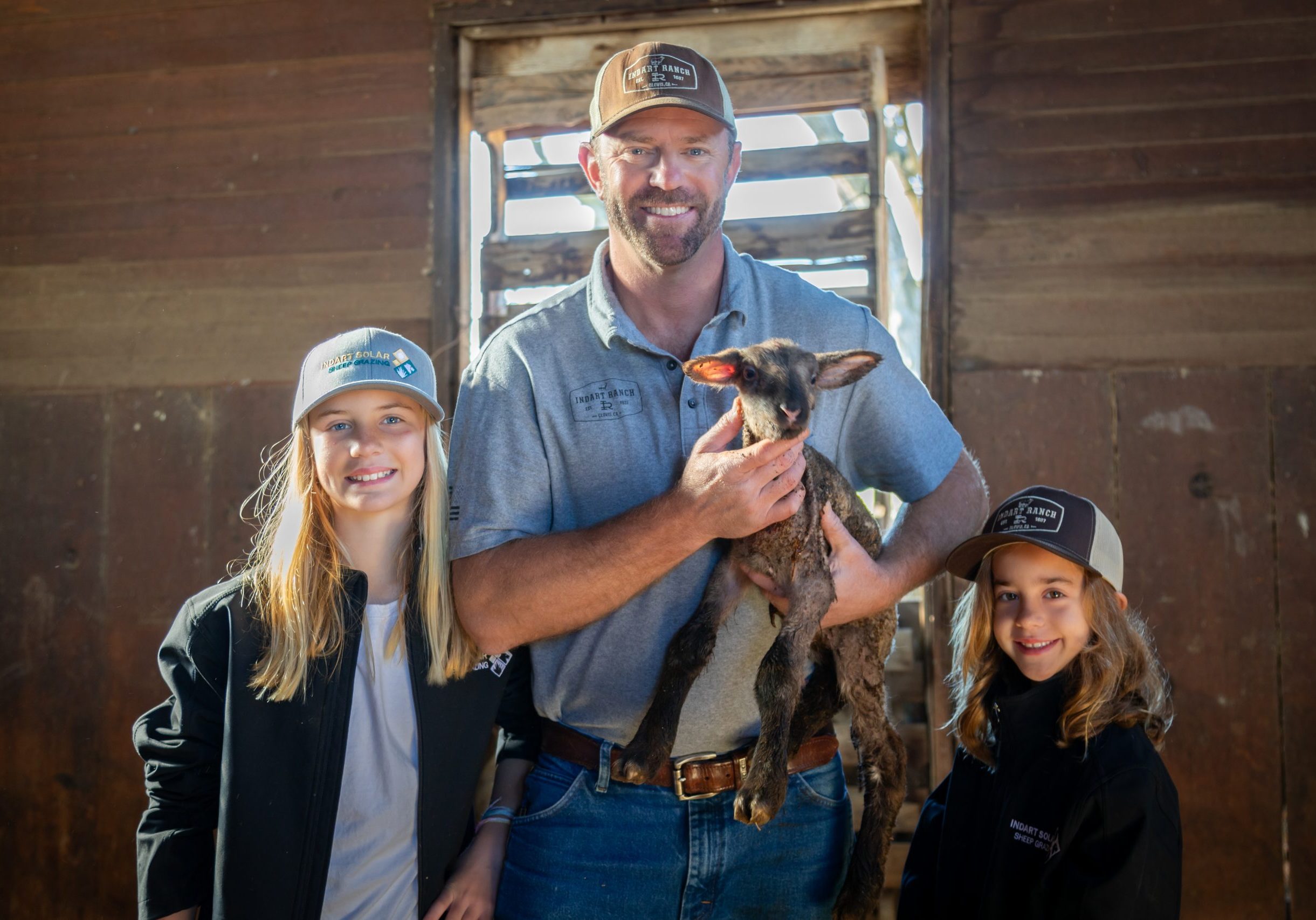

[…] grazing livestock or growing shade-tolerant crops under panels. One variation, sometimes called cattlevoltaics, uses cattle to manage vegetation between and around solar arrays, providing shade for livestock […]